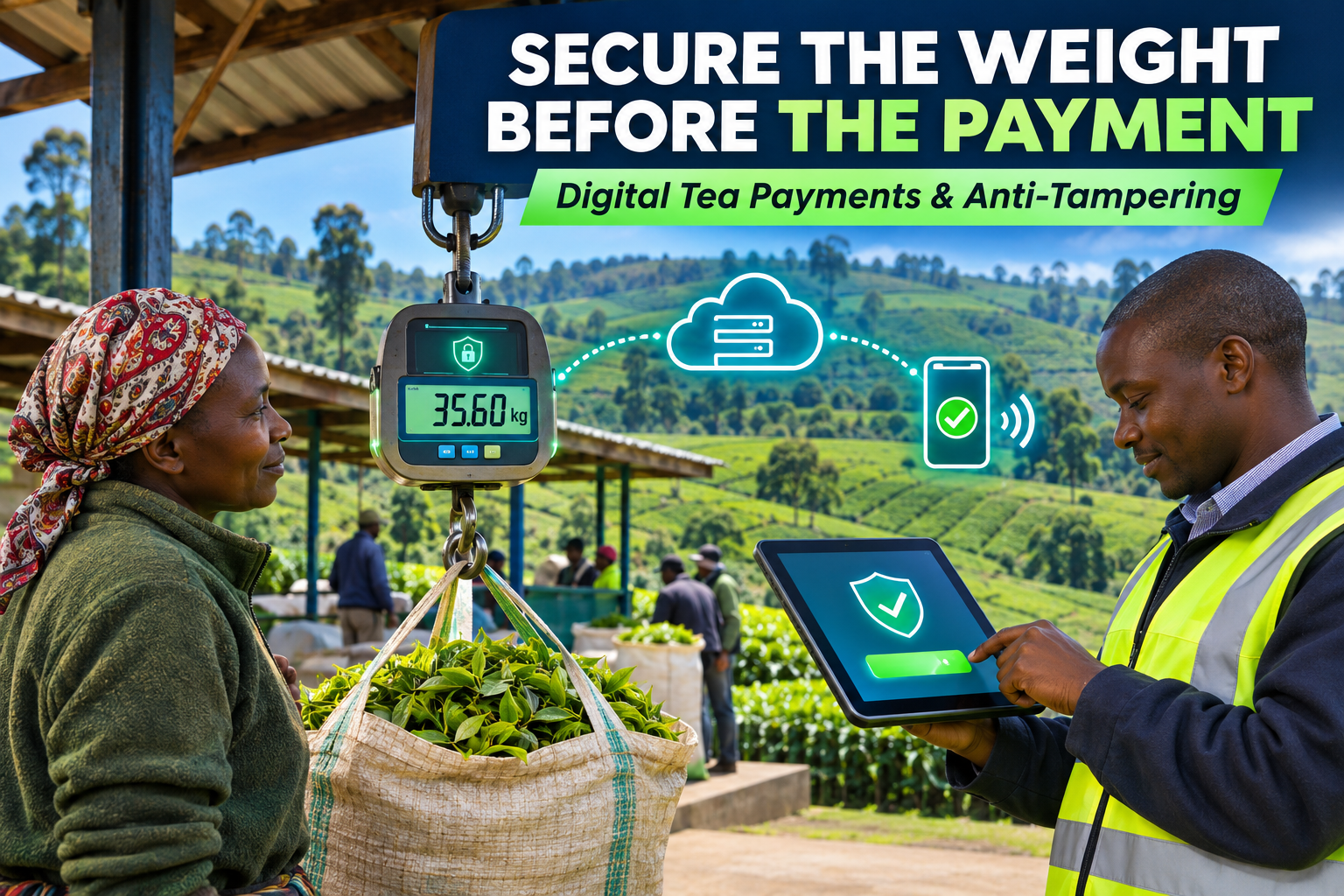
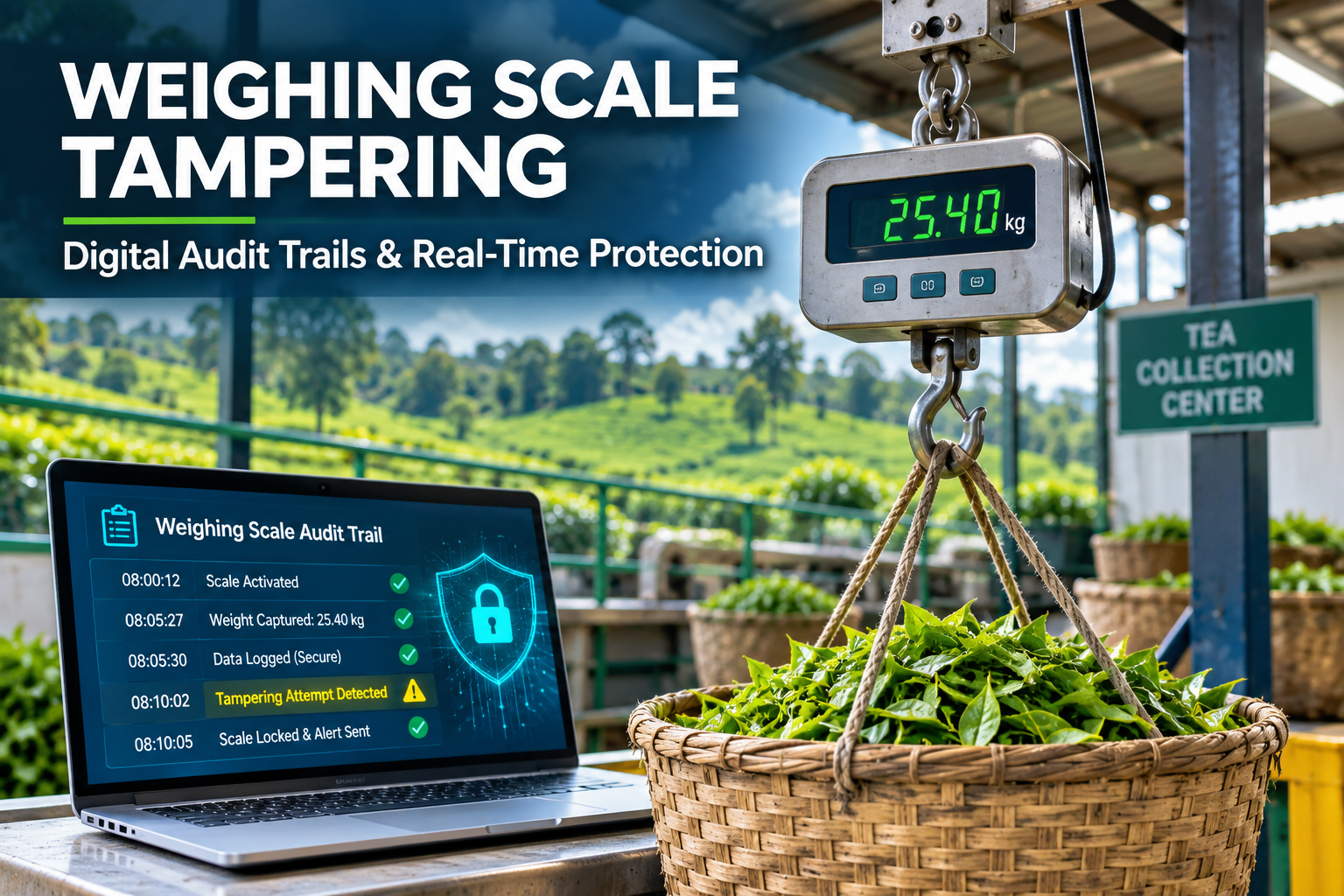
Weighing scale tampering remains a serious challenge for businesses, farmers, manufacturers, and regulators in Kenya. Whether weighing agricultural produce, livestock, industrial materials, or commercial goods, inaccurate weighing can cause financial losses, disputes, and declining confidence in measurement systems.
But an important question is emerging: Can modern weighing technology detect and prevent unauthorized changes before they lead to financial losses?
Recent international research suggests that digital audit trails, event monitoring, and software verification can strengthen the security of electronic weighing systems.
Combined with real-time anti-tampering technology, these approaches offer businesses an opportunity to move beyond detecting fraud after it occurs.
What Is Weighing Scale Tampering?
Weighing scale tampering involves unauthorized interference with weighing equipment or associated electronic systems to influence or falsify weight measurements.
Interference can occur through several methods, including:
- Unauthorized calibration adjustments.
- Manipulation of electronic weighing indicators.
- Interference with load-cell connections.
- Unauthorized modifications to weighing software.
- Alteration of stored or transmitted weighing transactions.
- Substitution of an approved weighing device with an unauthorized one.
- Deliberate manipulation of zero and tare settings.
Not every weighing discrepancy results from fraud. Equipment malfunction, poor installation, calibration drift, and environmental conditions can also affect weighing accuracy.
However, the inability to distinguish between legitimate errors and deliberate manipulation creates significant operational risks.
Kenya’s 2026 Weighing Scale Enforcement Cases Highlight the Problem
Kenya’s tea industry provides a practical illustration of the importance of secure weighing systems.
In August 2026, inspections in Bomet County resulted in arrests following allegations of manipulation of tea-weighing equipment.
According to reporting by the Daily Nation on August 14, 2026, Tea Board of Kenya officials said that some inspected digital weighing machines were displaying weights approximately 1.7 kilograms below the actual quantities delivered by farmers.
The report also described charges against several factory employees, including a case involving the use of weighing equipment without a valid verification stamp.
Further inspections in September 2026 led to additional arrests in the South Rift following complaints about suspected manipulation of tea weighing records.
These incidents demonstrate why periodic verification and inspections, although essential, should be complemented by technologies that provide continuous oversight.
The reported arrests and allegations should not be interpreted as proof of wrongdoing by every person investigated.
External source: Daily Nation — Tea factory staff arrested over manipulated weighing scales
New Research: Digital Audit Trails Can Strengthen Weighing Security
A 2026 research paper published in the International Organization of Legal Metrology (OIML) Bulletin provides valuable insights into the future of secure weighing systems.
The paper, titled Checking Audit Trails for Measuring Instruments Using Runtime Verification, was authored by Junichi Okamoto of Japan’s National Metrology Institute.
The research explores how software-based verification can be used to examine events recorded by measuring instruments and determine whether those events comply with predefined rules.
Examples of events that can be monitored include:
- Activation of maintenance mode.
- Changes to legally relevant instrument parameters.
- Successful calibration operations.
- Software updates.
- Detection of unauthorized modifications during operation.
The significance of this approach is that a properly designed weighing system can preserve evidence of interventions and support systematic examination of whether instrument operations followed authorized procedures.
Instead of relying exclusively on physical inspection, authorized personnel can examine a trustworthy history of changes affecting the weighing instrument.
Research source: OIML — Checking Audit Trails for Measuring Instruments Using Runtime Verification (2026)
How Digital Audit Trails Help Detect Weighing Scale Tampering
A digital audit trail is a chronological record of important activities performed by an electronic weighing instrument or its associated system.
When properly secured, the audit trail helps establish what happened, when it happened, and which instrument or authorized account was involved.
Consider a hypothetical example.
An electronic weighing scale is calibrated during an approved inspection. Later, somebody attempts to change a protected calibration parameter without authorization.
A suitably configured audit trail could record the change, identify the affected parameter, and preserve the event for subsequent investigation.
An integrated monitoring system could then flag the event for review.
This improves accountability because unauthorized adjustments become more difficult to conceal.
However, audit trails are most effective when their integrity is protected against deletion, manipulation, or unauthorized replacement.
What International Metrology Standards Say About Software Security
The OIML D 31:2023 document addresses general requirements for software-controlled measuring instruments.
Its guidance covers important security concepts, including:
- Protection of legally relevant software and parameters.
- Mechanical, electronic, or cryptographic sealing.
- Event counters and audit trails.
- Software identification.
- Detection of unauthorized interventions.
- Protection of audit records against inappropriate alteration.
OIML R 76:2006 also establishes metrological and technical requirements for non-automatic weighing instruments.
Together, these publications provide a useful international reference for manufacturers, system designers, regulators, and businesses implementing secure weighing technologies.
Application of these standards depends on the particular instrument, relevant conformity requirements, and the applicable national legal-metrology framework.
International references:
- OIML D 31:2023 — General Requirements for Software Controlled Measuring Instruments
- OIML R 76 — Non-Automatic Weighing Instruments
Why Audit Trails Alone Are Not Enough
Recording suspicious activity is valuable, but discovering manipulation after produce has been delivered or payments have been calculated may be too late to prevent immediate financial loss.
This creates an important distinction between tampering detection and tampering prevention.
A monitoring system may detect an irregular event and generate an alert.
A prevention-oriented system goes further by applying controls that stop questionable weighing transactions from being accepted until the relevant conditions are satisfied.
Effective weighing security therefore benefits from several layers of protection.
1. Stable Weight Verification
Electronic systems can be configured to reject weight capture while the weighing reading is unstable.
This helps prevent the recording of unreliable measurements.
2. Zero-Condition Verification
A weighing transaction can be prevented from proceeding when the instrument has not satisfied the required zero conditions.
This helps protect against certain forms of improper starting-weight manipulation.
3. Authorized Scale Identification
A secure system can verify the identity of the connected weighing instrument.
This helps reduce the risk of transactions being captured through unauthorized or substituted devices.
4. Location-Based Weighing Controls
Where operationally appropriate, GPS-based restrictions can help ensure that mobile weighing transactions are recorded only at designated locations.
Location controls supplement, rather than replace, metrological verification.
5. Real-Time Tampering Alerts
Suspicious events can trigger notifications to responsible personnel, enabling investigation before additional transactions are accepted.
6. Secure Transaction Records
Protected transaction histories can help investigators compare recorded weights, instrument identities, event histories, and operational records.
The strongest results come from combining appropriate prevention controls with reliable audit evidence.
How Dotmobi’s Weighing Scale Tampering Guard Supports Secure Weighing
Dotmobi LLP has developed the Weighing Scale Tampering Guard (WSTG) to strengthen accountability and protect weighing operations from unauthorized interference.
The technology is designed to complement normal weighing operations through protective measures and electronic monitoring.
Its capabilities include:
- Monitoring selected weighing-scale tampering events.
- Supporting control of suspicious negative-weight conditions.
- Verifying stable readings before authorized weight capture in integrated workflows.
- Supporting identification of authorized weighing equipment.
- Enabling controlled weighing operations at designated locations where configured.
- Supporting the detection and reporting of weighing irregularities.
These features help address a central weakness of traditional weighing oversight: the gap between scheduled inspections and daily operations.
While periodic inspections remain essential, digital protection can provide additional oversight during normal weighing activities.
Dotmobi’s WSTG is supported by Kenyan Patent No. KE 1086.
Actual implementation features and integration requirements depend on the weighing equipment, deployment configuration, and operating environment.
Which Kenyan Industries Can Benefit?
Tea and Agricultural Produce
Tea buying centres, coffee collection facilities, grain depots, and agricultural produce buyers can benefit from improved transaction integrity and protection against unauthorized weighing adjustments.
Weighbridges and Transport
Weighbridge operators can strengthen transaction traceability, support vehicle-weight verification procedures, and investigate suspicious weighing records.
Manufacturing and Industrial Operations
Factories handling raw materials, finished products, and bulk commodities can use weighing controls to improve inventory accountability and reduce unexplained measurement discrepancies.
Retail and Commercial Weighing
Businesses handling meat, groceries, cereals, and other weighed merchandise can reinforce confidence in transactions through properly verified and protected weighing instruments.
A Practical Checklist for Preventing Weighing Scale Tampering
Organizations operating electronic weighing equipment should review the following questions:
- Are all commercial weighing instruments verified as required?
- Can unauthorized persons change calibration or other protected parameters?
- Are important instrument interventions recorded?
- Can audit records be modified or deleted without detection?
- Are weighing transactions restricted to approved instruments?
- Does the system prevent capture of unstable readings?
- Are suspicious zero and negative-weight conditions investigated?
- Can management identify repeated irregular events?
- Are weighing records securely retained for investigation?
- Is there a documented procedure for responding to tampering alerts?
Organizations that cannot satisfactorily address these questions may have gaps in their weighing security arrangements.
The Future of Weighing Security in Kenya
The increasing use of software-controlled weighing equipment creates both opportunities and new risks.
As weighing instruments become interconnected with mobile applications, cloud systems, payment platforms, and enterprise software, protection must extend beyond the physical weighing indicator.
Recent OIML research demonstrates the growing importance of trustworthy event histories and software-based verification.
For Kenyan businesses, the practical direction is clear: secure weighing should combine accurate measurement, authorized equipment, protected records, and timely intervention.
Weighing scale tampering prevention should be built into the weighing process—not treated only as an investigation after losses occur.
Frequently Asked Questions
What is weighing scale tampering?
Weighing scale tampering is unauthorized interference with a weighing instrument or its associated systems to alter, misrepresent, or manipulate weight measurements.
Can digital weighing scales be tampered with?
Yes. Digital weighing instruments may be vulnerable to unauthorized parameter changes, physical interference, software manipulation, or transaction-data alterations when appropriate safeguards are absent.
What is an audit trail in a weighing system?
An audit trail is a protected record of important instrument activities, such as calibration adjustments, maintenance access, software updates, and other relevant events.
Can weighing scale tampering be prevented automatically?
Certain forms of manipulation and invalid weighing transactions can be prevented through appropriately configured controls, including authorized scale verification, stable-weight checks, and restrictions on protected operations. No single technology eliminates every possible tampering risk.
Why should businesses use anti-tampering technology?
Anti-tampering technology can strengthen measurement integrity, support regulatory oversight, reduce opportunities for manipulation, and improve confidence in weighing transactions.
Protect Your Weighing Operations with Dotmobi
Are you concerned about unauthorized weighing adjustments, unexplained weight discrepancies, or the security of your electronic weighing systems?
Dotmobi LLP provides weighing automation and anti-tampering solutions designed to strengthen accountability in agricultural, commercial, and industrial operations.
Contact Dotmobi to discuss the Weighing Scale Tampering Guard (WSTG) and secure weighing integration.
Website: https://dotmobi.co.ke/
Accurate Weights. Protected Transactions. Greater Accountability.