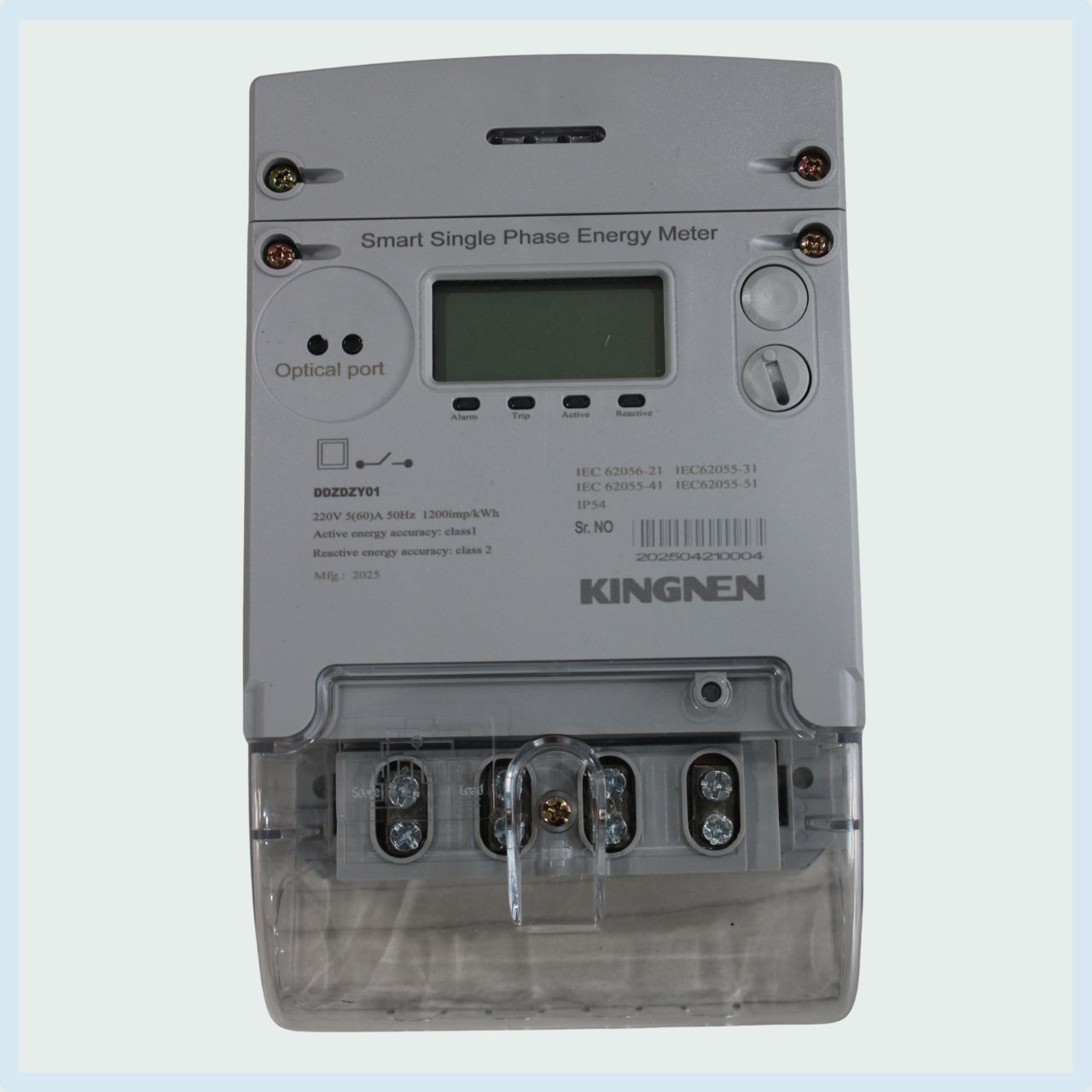
Accurate, Real-Time Billing: Smart meters automatically send your exact energy usage data to the utility company, eliminating estimated bills and ensuring you only pay for the electricity actually used. This process also reduces human error associated with manual meter readings.
Two-Way Communication: The smart meter sends data to the utility and receives information and commands from them. This functionality allows the energy provider to remotely connect or disconnect your power, update tariffs, or send alerts, leading to faster detection and response to power outages.
Detailed Usage Data: Smart meters record energy consumption in short intervals, often every 15 to 30 minutes. This detailed data gives you a clear picture of your usage patterns, helping you identify which appliances are using the most power and when.
In-Home Display (IHD): Most smart meters come with a small, portable display that shows your energy usage in near real-time, often quantified in currency or kilowatt-hours. This provides instant feedback on consumption, empowering you to make smarter choices and save money.
Support for Variable Tariffs: The detailed data from smart meters enables a new generation of time-of-use tariffs. These plans offer cheaper electricity during off-peak hours and more expensive rates during peak hours, giving you the opportunity to save money by shifting your energy consumption to different times of the day.
Integration with Renewable Energy: Smart meters are crucial for homes with solar panels or other renewable energy sources. They can accurately measure both the energy you consume from the grid and the surplus energy you generate and sell back to it, supporting net metering programs.